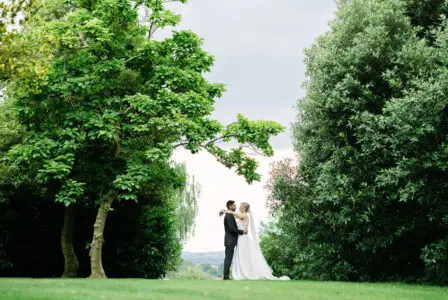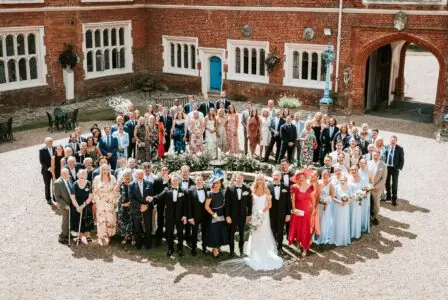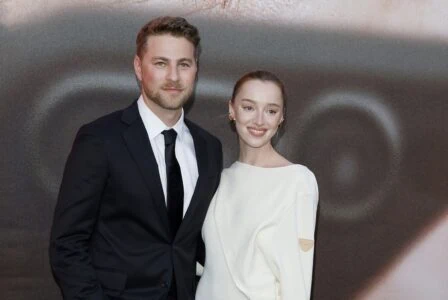

Phoebe Dynevor and Cameron Fuller’s Garden Wedding
5th Oct, 2026
3 min read time
Bridgerton star Phoebe Dynevor and her fiancé, fellow actor Cameron Fuller, tied the knot on the 5th September in an...
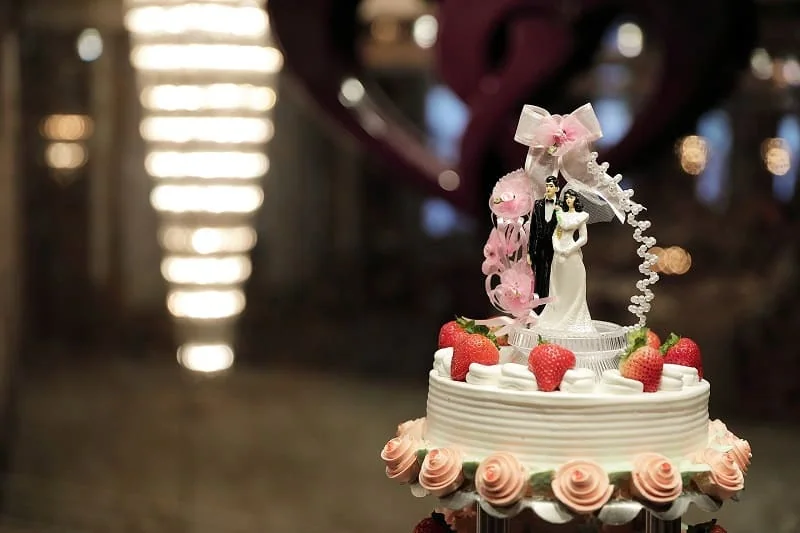
The history of wedding cakes stretches back thousands of years. From early barley cakes to today’s multi-tiered designs with royal icing, the wedding cake tradition has changed a lot, but one thing has stayed the same: the cake has always been about more than just the cake.
In Ancient Rome, wedding ceremonies included a wheat or barley cake. It wasn’t sweet or decorative. It was plain, dry, and symbolic. The groom would break the cake over the bride’s head, and guests would collect the crumbs. The whole thing was meant to represent fertility and good fortune.
You’ll sometimes hear people say this was the first version of a bride’s cake, but really, it was just bread.
By the time we arrive in Medieval England, the cake had started to shift from bread to something sweeter. Still, it wasn’t a tiered masterpiece. People would bring small cakes or buns and stack them as high as they could. The bride and groom would try to kiss over the pile. If they didn’t knock it over, the marriage was seen as lucky.
That stacking idea? It’s where the tiered wedding cake really began.
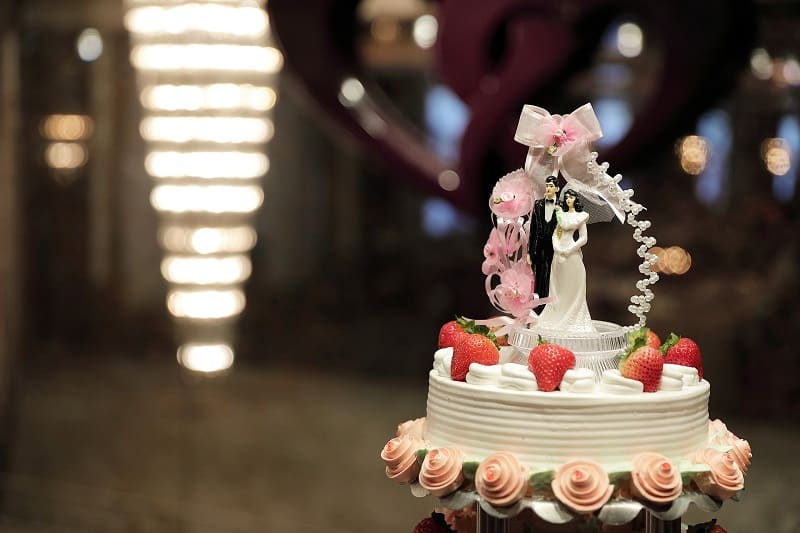
The first actual tiered cake came in the 17th century, during the reign of King Charles II. A visiting French pastry chef saw the bun-stacking custom and decided to change it. Instead of piling separate buns, he created a single-tiered cake, separating each layer with broom handles. Smart move.
This was the first time a cake was made to look like one large structure, not just a stack of items.
In the 18th century and through the Victorian era, white wedding cakes became popular. It wasn’t just a matter of style. White icing, now called royal icing, used refined sugar, which was expensive. So, having a white fruit cake on your wedding day meant you had money.
These cakes were often called bride’s cakes, especially when the cake matched the bride’s white dress. The name stuck around.
The term “royal icing” originated from Queen Victoria’s influence. Made from egg whites and pure sugar, it hardens to a porcelain-like shell and was perfect for tiered cakes, especially those meant to be displayed for hours before serving.
You’ll still find royal icing on fruit cakes used at traditional weddings, although many modern couples now opt for fondant or buttercream.
By the 19th century, the wedding cake had become a key part of the wedding celebration. It symbolised good fortune, prosperity, and commitment. The cake tradition wasn’t just about looks anymore. It had meaning built in.
And people didn’t always eat the whole thing. Some would save a slice to eat on their first anniversary, or even when the first child was born. That’s why many were dense plum or fruit cakes they’d keep for months.
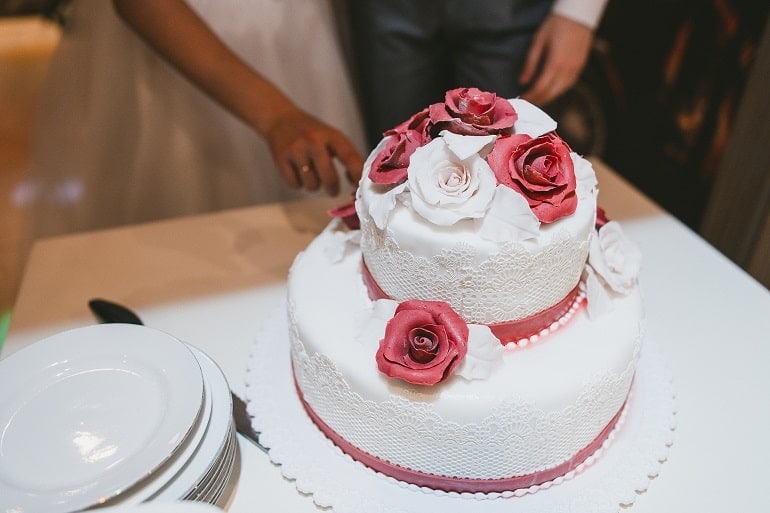
The cutting of the cake became its own wedding tradition. At first, the bride would cut the cake herself. However, as cakes grew larger, that wasn’t realistic. The bride and groom would cut the cake together, showing they were now a team.
Today, the cutting-the-cake moment is still big. It’s the first thing the couple does together as a married pair. Some people say it shows unity. Others just enjoy the photos.
A traditional wedding cake is usually a three-tier fruit cake, iced with marzipan and royal icing, and decorated with flowers or sugar figures. Each tier has a purpose:
That’s where the idea of taller cakes started to have practical use, not just presentation.
These days, the modern wedding cake might be anything from a pound cake, carrot cake, light sponge, or a mix of flavours. Some couples have two cakes, one main cake and a groom’s cake, often with a fun theme.
Flavours and designs have changed, but cake would still play a major role in how the wedding feels.
The wedding cake, as we know it, is part of a full day of traditions. It comes out after the speeches, and often just before the dancing. Some couples use it as the final formality of the day.
Even if it’s a small cake now, or swapped for small cakes, cupcakes, or dessert tables, it’s still a signal to guests: the formal part of the wedding day is wrapping up.
Because they bring people together. The wedding cake tradition is one of the few rituals that blends old and new, public and personal, symbolic and celebratory.
Even if you don’t believe a slice of cake can predict good fortune or fertility, there’s still something powerful about sharing a cake with your favourite people on your wedding day.
And honestly, it tastes great too.
When did the first wedding cake appear?
Roman times saw barley cakes. The first tiered cake came in the 17th century.
Why do wedding cakes have tiers?
The original reason was to serve different parts to different groups. The structure became tradition.
Is fruitcake still used in weddings?
Yes, especially in more traditional weddings. Rich fruit cake keeps longer and is often iced in royal icing.
Why is white icing used?
White icing, now called royal icing, became popular during the 18th century to show off wealth and match the bride’s dress.
What did guests use to do with the cake?
In Roman times, guests would grab crumbs for luck. In more modern history, slices are kept or sent home.