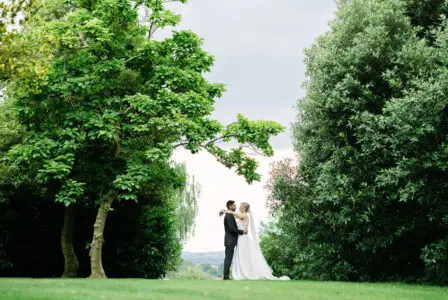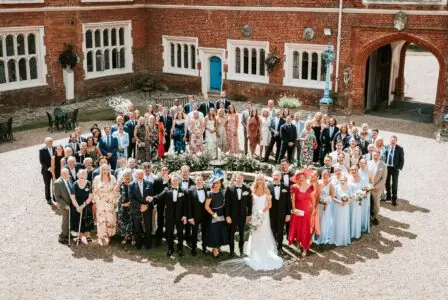

Phoebe Dynevor and Cameron Fuller’s Garden Wedding
5th Oct, 2026
3 min read time
Bridgerton star Phoebe Dynevor and her fiancé, fellow actor Cameron Fuller, tied the knot on the 5th September in an...

Making a wedding seating plan isn’t glamorous, but it’s one of those jobs that makes or breaks your wedding reception. If you’re stuck thinking, “how do I avoid chaos without upsetting anyone?” you’re not alone.
This guide covers wedding seating plan ideas that are practical, stylish, and easy to personalise, whether you’re after a rustic wedding vibe, a modern wedding aesthetic, or something creative and fun.
A well-thought-out seating plan does more than just allocate spots. It sets the flow, affects how relaxed guests feel, and lets caterers and staff do their job without hassle. Done right, it can genuinely improve the energy of the room.
If you’re planning a wedding with over 30 guests, having a clear wedding table seating structure is essential, especially if you want your wedding décor to shine without distractions.
Different formats suit different vibes and wedding venues, but it’s worth noting that certain layouts can also affect your overall room capacity. Here’s a quick breakdown:
Each layout shapes how guests interact and how efficiently your space is used, so it’s worth balancing style with practicality when choosing the best fit for your venue.

There are loads of ways to make your wedding seating chart more personal. Whether you’re into diy wedding touches or ready to go luxe, here’s what works:
Want to get creative? Mix and match materials, think acrylic, timber, or chalkboard, and add photo pegs or mini suitcases for your wedding theme.
Once you’ve got your layout and design, the next step is function. You want your guests to find their name quickly.
Either way, print it big enough to read. Don’t hide it in a corner. And include your table numbers or table names clearly to avoid confusion.
Let’s talk about guest logic. Here’s a rough structure:
Tables should always be considered in the context of your venue layout and sound system; avoid putting grandma next to the speakers.

Naming tables gives you room to express yourselves:
Include materials that match your wedding invitations and décor. A lot of couples use a template online and print cards for each table. These double as a keepsake, too.
Table plan decisions are a mix of practicality and kindness; the best ones reflect that.
How early should I make the seating plan?
Start once 70-80% of RSVPs are in. Lock it in 2-3 weeks before the wedding.
Do I need to assign specific seats?
For anything over 40 guests, yes. It keeps things smooth and lets guests relax.
Can I use a template?
Absolutely plenty of free tools online for making a table seating plan with drag-and-drop features.
Nailing your wedding seating plan is all about clarity, style, and a little bit of give-and-take. Keep the focus on what makes sense for your space and your people, and you’ll be surprised how easy it is to pull together something functional and beautiful.