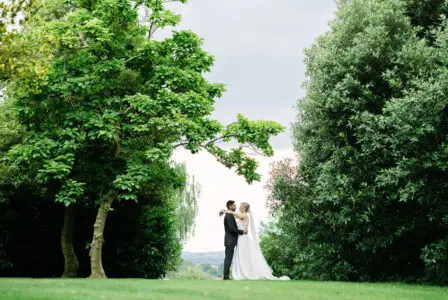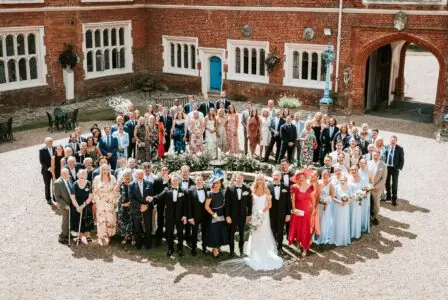

Phoebe Dynevor and Cameron Fuller’s Garden Wedding
5th Oct, 2026
3 min read time
Bridgerton star Phoebe Dynevor and her fiancé, fellow actor Cameron Fuller, tied the knot on the 5th September in an...

Most couples look at May and see sunshine, spring blooms and bank holidays, everything you’d want for a wedding. But there’s one thing that still hangs over the month of May, and that’s an old warning passed down in many cultures: “Marry in May, and you’ll rue the day.”
It sounds dramatic, but this old wedding superstition still pops up, especially in family conversations around setting a wedding date. So, where does it come from, and do people still believe it?
The idea that it’s bad luck to get married in May goes back centuries. In ancient Rome, May was the month dedicated to Lemuria, a festival for honouring the dead and driving out evil spirits. Weddings were seen as unlucky during this time because joy and mourning didn’t mix.
As the folklore spread through Europe, it took on different forms. In medieval Europe, the Church discouraged wedding ceremonies in May, linking them to bad omens. Later, the Victorians took it further, calling May “the unluckiest month” for marriage in their old wives’ tales and wedding rhymes.
Even in Irish weddings, the unlucky month was avoided. Couples were warned that children born from May marriages would suffer poor health or bring misfortune to the family.
The superstition probably wouldn’t have lasted if it wasn’t for one very catchy line:
“Marry in May, rue the day.”
It’s part of a longer rhyme that gives a verdict on every month of the year. Most versions go something like this:
Marry in January’s roar and strife
Marry in May, rue the day
Marry in June, you’ll be blessed with life…
It’s easy to remember, and it’s still shared in books, blogs, and on forums, which helps keep the belief going, even if fewer people truly believe it now.

May was often a time of preparation, not celebration. In farming communities, May was for planting, not partying. Holding a wedding meant taking people away from essential work.
In some cultures, it was also linked with fertility struggles. The idea was that couples who tied the knot in May wouldn’t have children, or their marriage would lack prosperity.
There were also practical reasons: in older Irish and British communities, May weather could be unpredictable, not quite winter, not quite summer. So hosting a wedding then was a gamble, especially before modern venues like St Audries Park made all-weather weddings easier.
Most don’t worry about it at all. In fact, May is now one of the most popular months to get married in the UK. It’s not too hot, the flowers are in full bloom, and bank holidays give guests more travel time.
Still, you might hear comments like:
It’s rarely said with real concern. But if you’ve got superstitious family members or relatives who hold tight to traditions and superstitions, it might come up, especially if they grew up hearing the rhyme.
Some do, but not always because of superstition. For some couples, avoiding May is more about availability, prices, or personal dates.
If you’re planning a traditional wedding and your family is deeply superstitious, it might be worth checking how they feel. But most modern couples follow their own path.
In fact, venues like Gosfield Hall and Leez Priory see high demand for May weddings and no signs of that changing.
If you’ve picked a May wedding date and someone questions it, you’ve got a few ways to reply without starting a debate:
You don’t need to justify your date. But a calm answer helps when older relatives genuinely believe in the superstition.
There’s nothing unlucky about marrying in May unless you count pollen or last-minute RSVP dropouts. It’s a beautiful time of year to plan a wedding, and if you’re choosing a venue with experienced coordinators, like at Holmewood Hall, they’ll guide you through the planning no matter the season.
Plus, spring flowers, longer days, and softer light all work in your favour.
If you still want a nod to tradition, you can include:
These touches keep the superstitions light and fun, without letting them control the day.

No, not unless you believe it is.
Superstitions like this stick around because they get repeated, not because they’re proven. Like the one about rain on your wedding day, or dropping the wedding ring, they’re more about tradition than truth.
If you’re choosing May for your big day, do it because you love it, not because of an old line in a rhyme. And if you want a fresh start, spring is probably the best metaphor you could pick.