Trends shift, but a wedding dress always says something about the bride, the time, and the day. Whether you’re leaning...
Trends shift, but a wedding dress always says something about the bride, the time, and the day. Whether you’re leaning towards formal, relaxed, boho or modern, there’s value in looking at what brides wore before you. Understanding dress styles through the years can help you narrow down what feels right for your own big day.
1900s: Formal and Fitted
Wedding gowns in the 1900s were long, heavy, and modest. Think high necklines, full sleeves, fitted waists and detailed lace. Queen Victoria had already made white the colour of choice for brides. This era was all about formality and status.
Today’s version: A structured lace gown with a train, button detailing, or a high collar to echo Edwardian elegance.
1910s: Soft and Subtle
The empire waistline took centre stage in this decade. Bridal outfits were usually floor-length, simple in silhouette, and featured lace embroidery or short sleeves. The look was soft, romantic, and fuss-free.
Update it: An empire-line wedding dress with sheer lace sleeves or a chiffon overlay feels true to the era without looking costume.
1920s: Fringe, Beads and Flapper Cuts
The roaring twenties brought freedom to bridal fashion. Straight silhouettes, lower hemlines and dropped waists became popular. Flapper-style embellishments like fringe, sequins and beads added detail. Brides often wore beaded headpieces and long veils attached to caps or bands.
Try this: A fringe or sequin-trimmed midi gown with a vintage-inspired headband.
1930s: Bias Cut Glamour
Old-Hollywood glam shaped wedding gowns in the 1930s. Bias cuts created elegant, curve-skimming silhouettes. Satin was common, and brides walked down the aisle in long sleeves, cowl necks and open backs.
For the modern minimalist: A satin sheath dress or gown with a soft drape and clean lines.
1940s: Simplicity Under Rationing
With the war in full swing, fabric shortages changed everything. Many brides wore their best dresses, reused older gowns or borrowed what they could. Silhouettes were practical with capped sleeves and shorter hems. Some dresses had structure, but detail was limited.
Simple but effective: A tea-length bridal dress or short-sleeved A-line with minimal trim.
1950s: Full Skirts and Sweetheart Necklines
The 1950s were a high point for chic bridal fashion. Dresses often had sweetheart necklines, corseted bodices, and full tulle skirts. Lace detailing was popular again. Bridesmaid dresses often matched in pastels and satin.
Current spin: A ballerina-length tulle gown with a structured top, lace overlay, or scalloped hem.
1960s: Shorter and Sharper
Bridal gown styles changed again in the 60s, mini and midi dresses were worn by many. High collars, clean lines and bold headwear stood out. Bridal fashion started to break tradition and explore personality.
Try this look: A bridal mini dress with puffed sleeves, or a shift dress with a short veil.
1970s: Boho and Romantic
The 70s brought boho wedding style to the forefront. Empire waists, floral lace, and long flowing sleeves were everywhere. Tiers, fringes and dainty floral headdresses finished the look.
Still popular now: A long-sleeve lace gown with a tiered skirt or soft open back. Think field flowers and undone hair.
1980s: Big Shoulders, Bigger Skirts
This was the decade of puff sleeves, full ball gowns, oversized veils and statement accessories. Think Princess Diana. Bridesmaids often wore matching pastels or bold colours.
Modern nod: A gown with a dramatic puff sleeve or structured skirt, just paired back with simpler accessories.
1990s: Minimalist and Sleek Bridal Dress
Satin slip dresses, spaghetti straps and square necklines made a comeback. Accessories were minimal. Brides opted for structure and sophistication over sparkle.
Works well for: Petite brides, city weddings, or anyone after a clean, understated wedding look.
2000s: Strapless and Embellished Gowns
Strapless corset gowns dominated this era. Full skirts, embroidery, sequins and beading were standard. Tiaras were still going strong, with long veils and statement jewellery.
Still relevant: A strapless gown with embellishment across the bodice or skirt. Just keep the styling clean.
What Are Brides Wearing Today?
There are no rules. The best wedding dress for you is the one you feel comfortable in. Whether it’s a ball gown or a minimalist midi, you can take inspiration from any era and make it your own.
Think about:
Your venue — a beach wedding dress won’t match a castle ceremony
Movement — can you dance, eat, and enjoy the day in it?
Accessories — how do your shoes, veil, and jewellery play with the dress?
What makes you feel good — that matters more than trends
If you’re starting your search for the perfect wedding dress, try different silhouettes, necklines, and fabrics. Lace, satin, tulle, chiffon, there’s something for everybody’s shape and style.
Don’t forget about your bridesmaids either. Your bridesmaid dresses don’t need to match exactly, they just need to complement the tone and mood of the day.
Need Real Wedding Dress Style Inspiration?
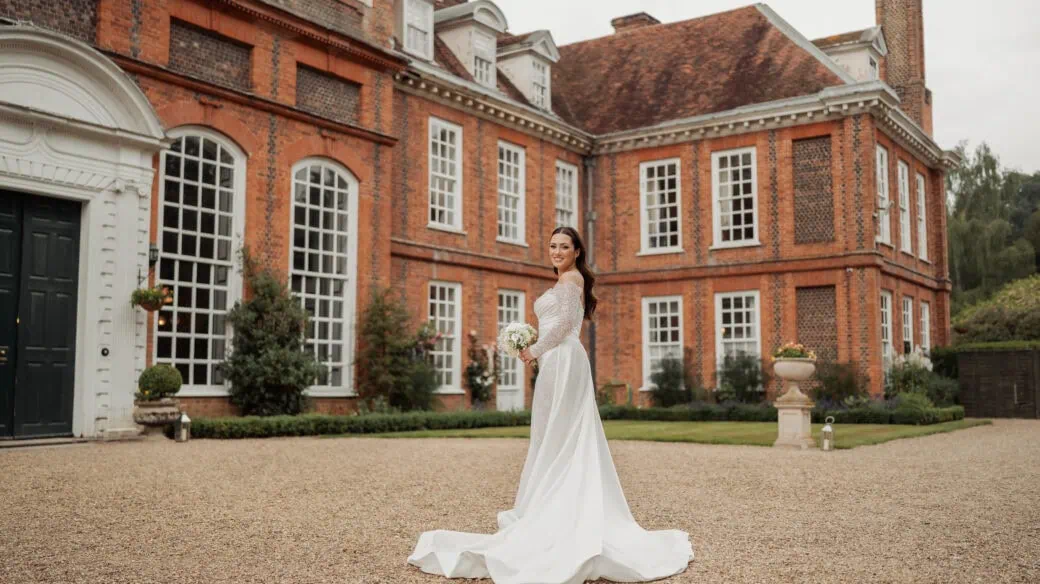
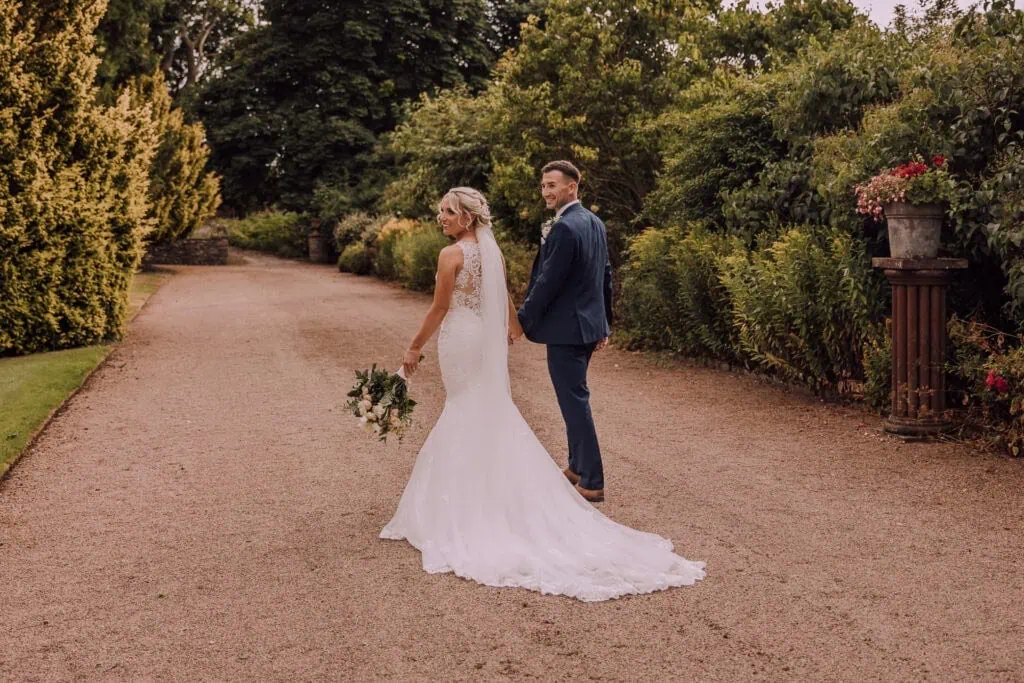
Still unsure about your bridal outfit or dress ideas? Look at how real brides styled their wedding day at these venues:
Each gallery shows how every style, from full gowns to short midi dresses, works in real settings.
Whether you’re into lace, linen, tulle, corsets, tiered skirts, or minimalist shapes, there’s no shortage of choice. Use the decades as your mood board. The dress of your dreams might come from 1952, 2004 or somewhere in between.